
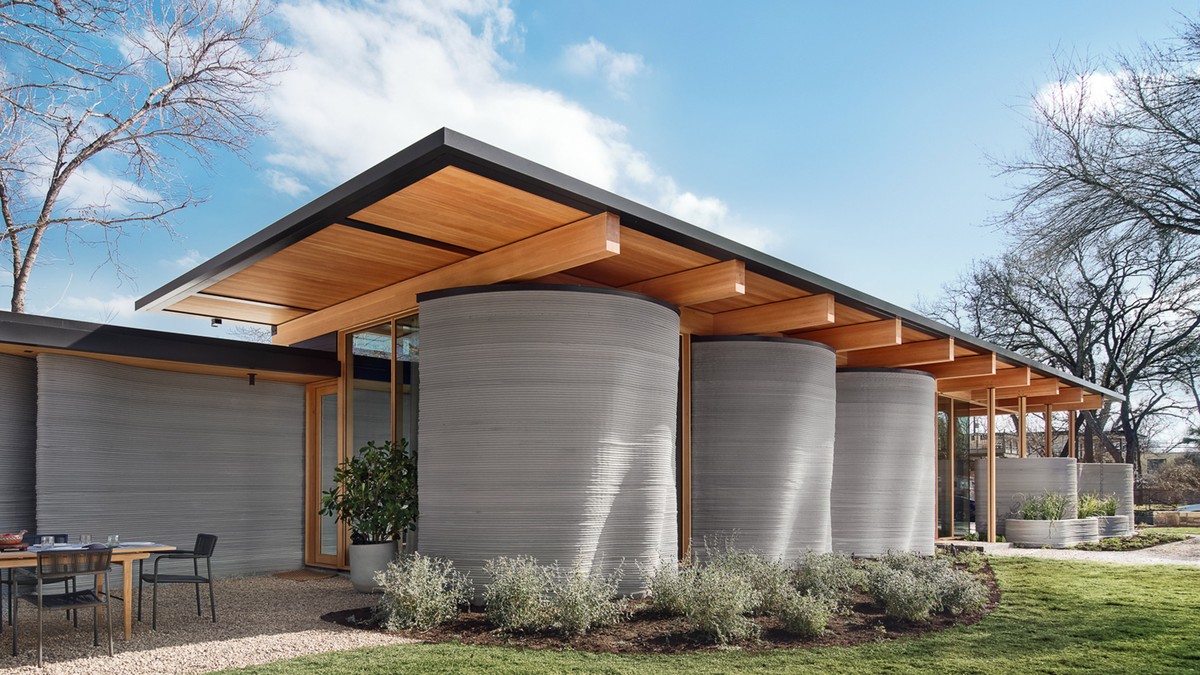
The phrase "3D printed home" tends to land one of two ways. Either it sounds exciting and futuristic, or it sounds like something you'd find at a science fair. For retirees who have spent decades in traditionally built homes, the skepticism is understandable. New technology in housing has a mixed track record, and the stakes are too high to get it wrong.
So let's set aside the buzzwords and talk about what these homes actually are, how they're built, and whether they hold up.
## How It Actually Works
A 3D printed home is built using a large robotic printer that moves along a track or arm system, depositing layers of a concrete-based material called "printable concrete" or, in some systems, a proprietary mix like ICON's Lavacrete. The printer follows a digital blueprint, building up walls layer by layer, much like a standard inkjet printer builds an image line by line — just much larger and with structural material.
The process typically handles the walls and structural shell of the home. Roofing, windows, doors, plumbing, and electrical are still installed by skilled tradespeople, the same as in any other home. The printer handles the part that traditionally requires the most labor: framing and wall construction.
## Is It Safe?
This is the right question to ask, and the answer is yes, with context.
3D printed homes in the United States are built to meet local building codes, the same standards that govern all residential construction. Companies like ICON, Mighty Buildings, and others have worked directly with local permitting authorities to ensure their structures pass inspection. In many cases, the concrete-based walls are actually stronger and more fire-resistant than traditional wood-frame construction.
The technology is not brand new. ICON has been printing homes since 2018. There are now hundreds of printed homes occupied by real people across Texas, California, and other states. These are not prototypes. They are permitted, inspected, and lived-in homes.
## What Do They Look Like?
This surprises many people: 3D printed homes don't look like science experiments. The exterior can be finished in a variety of ways, and the layered concrete texture is often left visible as a design feature. Inside, they look and feel like any well-designed modern home. Flooring, cabinetry, fixtures, and finishes are all standard.
The main visual difference, if you notice it at all, is the slightly ribbed or layered texture of the exterior walls. Some people find it distinctive and appealing. Others prefer to finish over it. Either way, it's a cosmetic choice, not a structural concern.
## What About Longevity?
Concrete structures have a long track record. Think of the concrete buildings and bridges that have stood for 50, 80, even 100-plus years. The material used in 3D printed homes is designed to be durable, weather-resistant, and low-maintenance. It doesn't rot, it doesn't attract termites, and it doesn't need to be repainted every few years.
For a retiree thinking about a home that will last the rest of their life with minimal upkeep, that's a meaningful advantage.
## Common Concerns, Addressed
**"What if the company goes out of business?"**
A fair concern. The home itself doesn't depend on the company that built it. Once it's constructed and permitted, it's a standard piece of real estate. It can be sold, inherited, or refinanced like any other home.
**"Will it hold its value?"**
This is still an evolving question, as the market for printed homes is relatively young. Early data suggests they hold value comparably to similar-sized traditional homes in the same area, but this is worth discussing with a local real estate professional.
**"Can I get a mortgage on one?"**
Yes, in most cases. Several lenders now offer financing for 3D printed homes, and the options are expanding as the market grows. More on this in Article 5.
## The Bottom Line
3D printed homes are not a gimmick or a gamble. They are a legitimate, code-compliant construction method that is already housing real people. For retirees looking for a durable, low-maintenance, customizable home, they deserve serious consideration rather than a quick dismissal.
The technology is newer than a 1970s ranch house. That doesn't make it less trustworthy. It makes it better.