Navigate
© 2026 Cornerstone Guild

Deep-dive analysis and expert perspectives on the 3D printed construction revolution. Written for the buyers, contractors, retirees, and builders who need clear answers — not hype.
A buyer's guide to 3D printed homes covering the housing crisis, build speed, sustainability, who's building them, where the market is headed, design possibilities, the technology behind the walls, and how to finance and insure a printed home.
9 articles
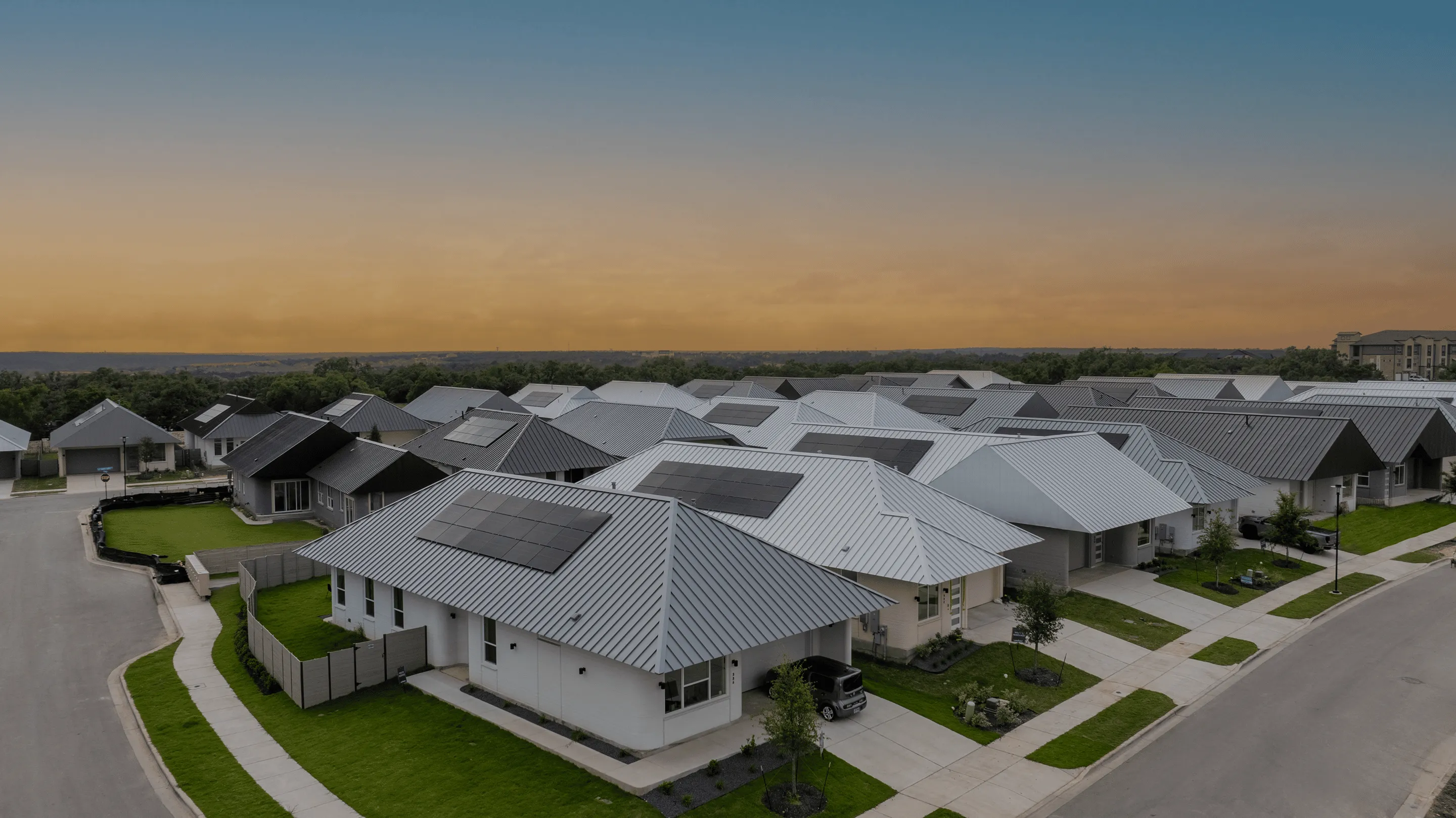
America is millions of homes short, and traditional construction can't keep up. But a technology that sounds like science fiction is quietly becoming one of the most practical solutions we have — and it's already putting real families into real homes at prices that actually make sense.
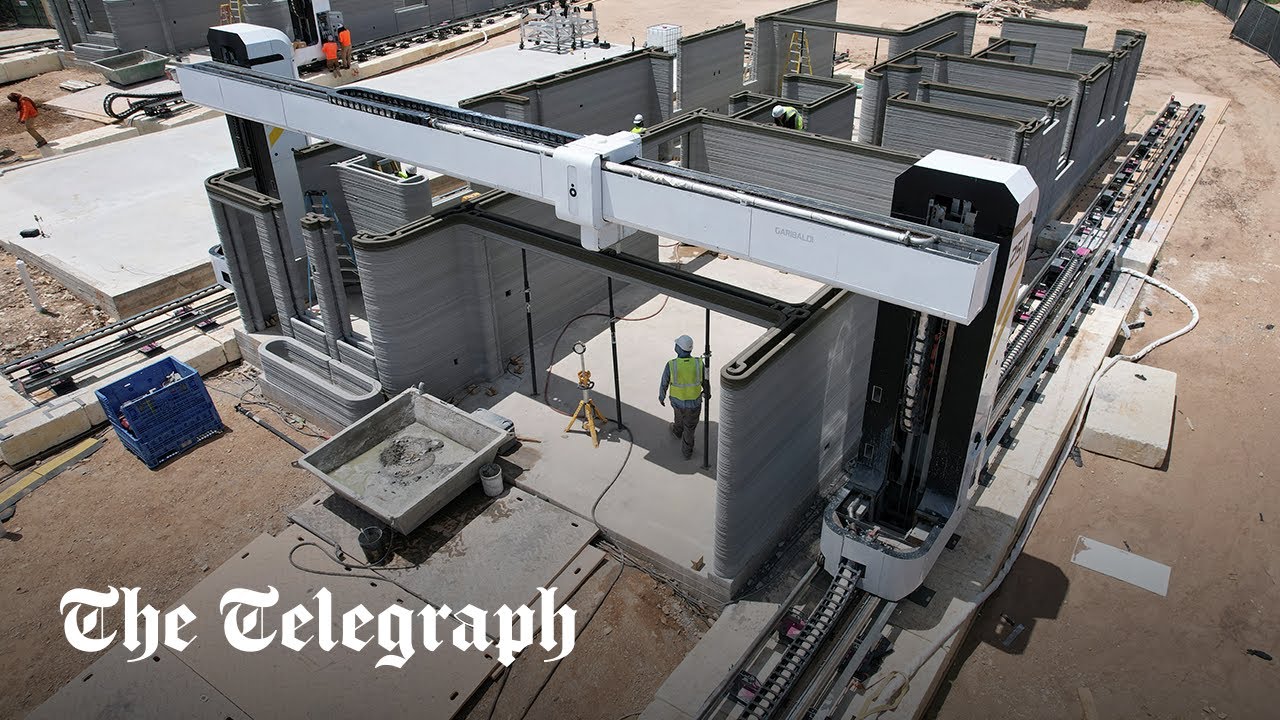
What if building a home took days instead of months? That's not a hypothetical — it's already happening. 3D printed homes are turning one of the most frustrating parts of the homebuying process completely upside down.
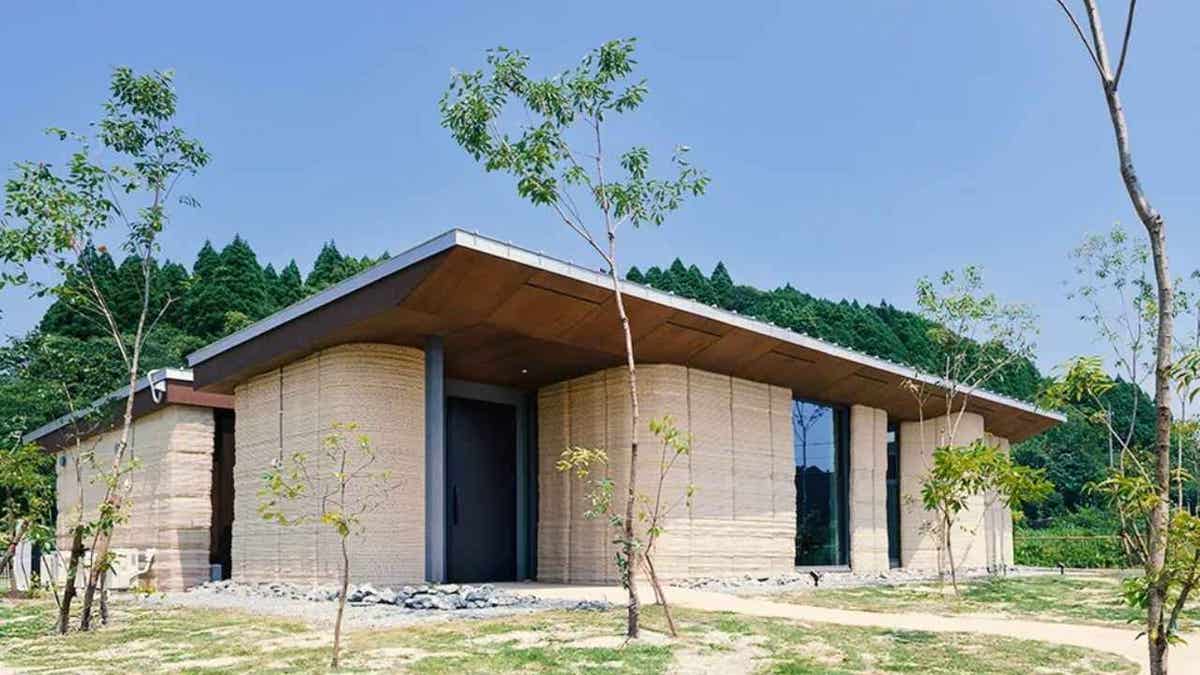
Forget everything you think you know about what a 3D printed home looks like. These aren't flimsy prototypes — they're concrete structures built to outlast storms, resist fire, and keep your energy bills surprisingly low. The greenest home on the block might also be the toughest one.
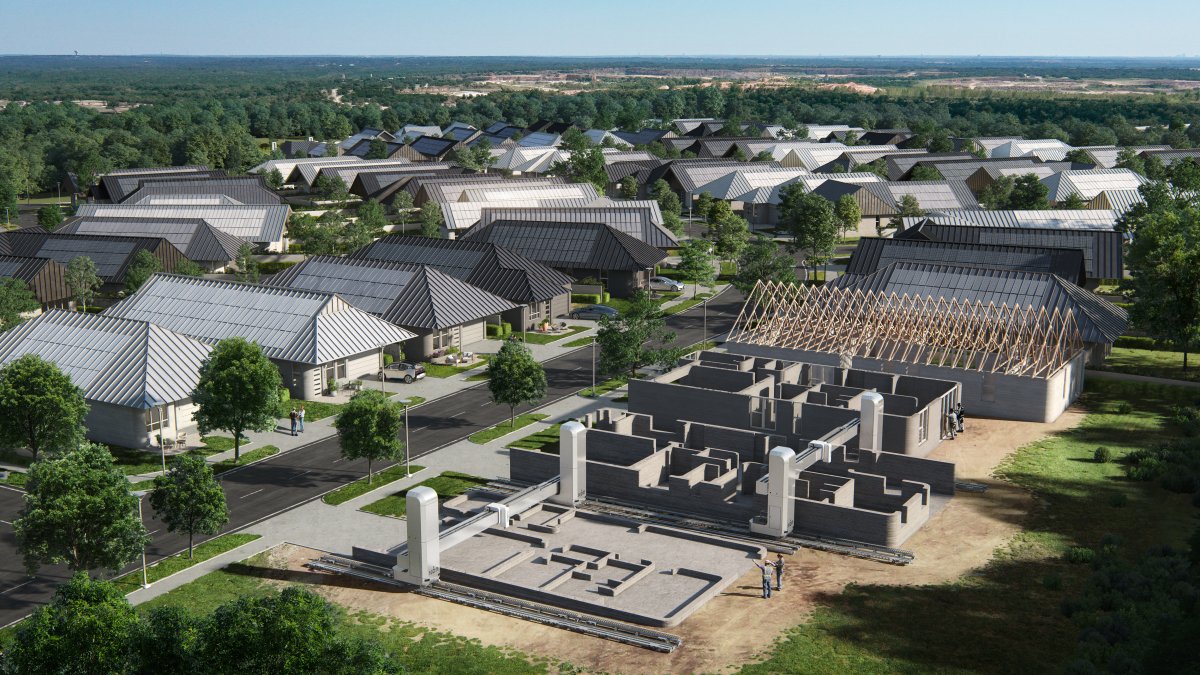
A handful of bold companies are turning an idea that once lived only in research labs into real neighborhoods with real addresses. Here's who's leading the charge — and why the biggest names in homebuilding are paying close attention.

A $97 million industry today. A projected $4.7 billion industry by 2033. The money is moving, and it's moving fast. Here's what the business of 3D printed housing looks like — and what it means for anyone thinking about buying a home.

Tired of every house on the street looking exactly the same? 3D printing is quietly dismantling the cookie-cutter model of homebuilding — making curved walls, custom layouts, and truly personal spaces available at prices that don't require a custom-home budget.

The same technology NASA is developing to build habitats on the Moon is being used right now to build homes in American neighborhoods. It turns out the engineering required to survive on Mars makes for a pretty remarkable house here on Earth.

A concrete home printed by a robot might look like the future, but the mortgage that pays for it works a lot like any other. Here is what buyers should expect from lenders and appraisers, plus the few places where a printed home still asks for a little extra paperwork.
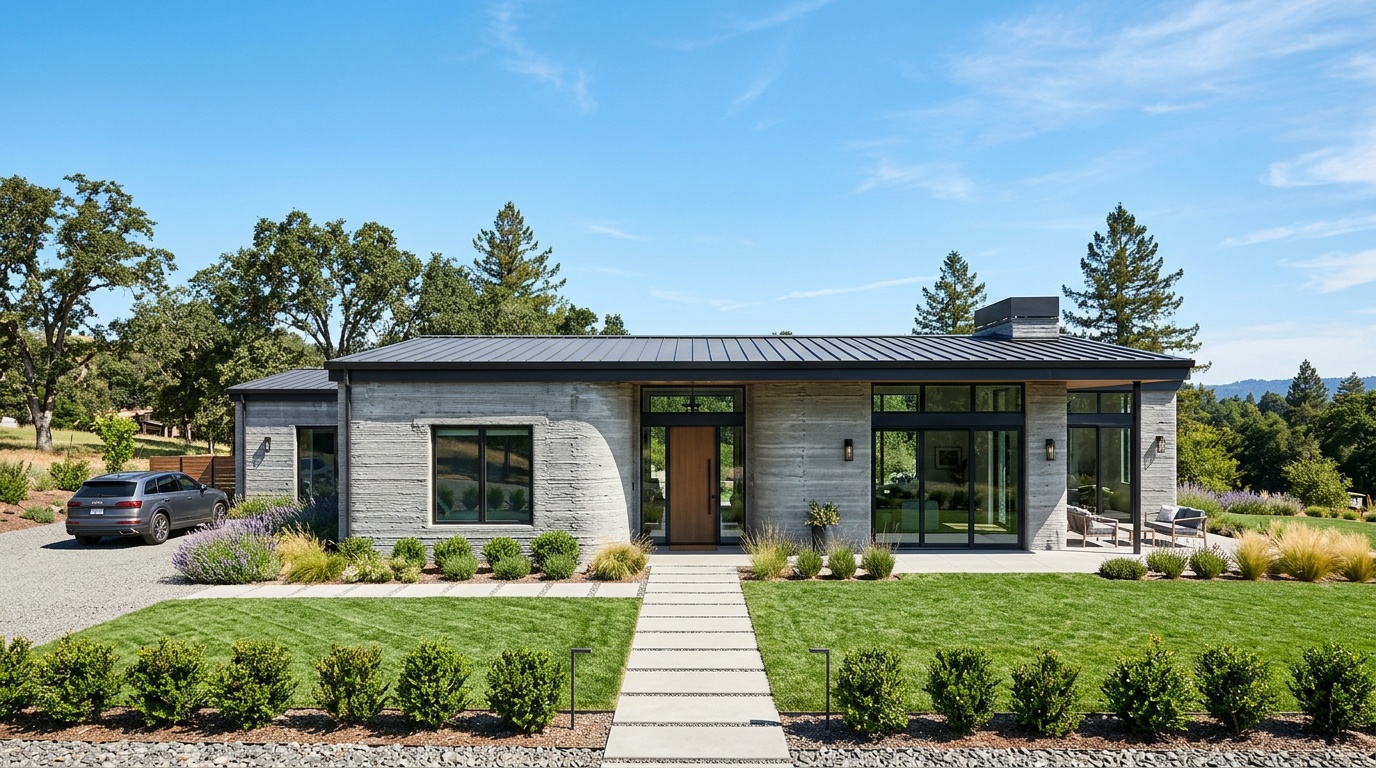
A printed concrete home is built to shrug off fire, wind, and pests, which is exactly what an insurer likes to see. The catch is that the technology is still new enough that there is no off-the-shelf policy for it yet. Here is how coverage works today and how to line one up without surprises.
A technical series for contractors and trades adapting to 3D printed concrete construction — 7 articles on framing, roofing, plumbing, electrical, HVAC, foundations, and how faster shells mean more jobs per year.
7 articles
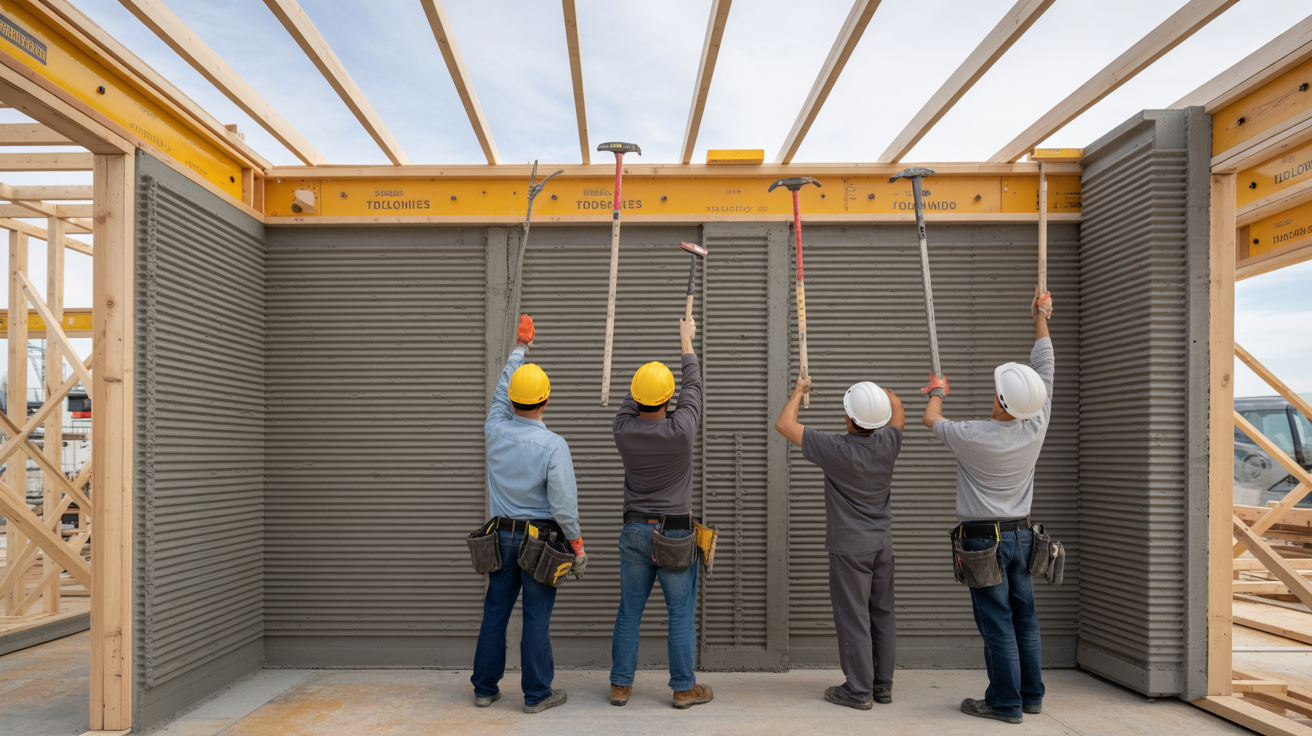
The stud wall isn't dead, but its role is changing faster than most contractors realize. When a 3D printer can lay down an entire exterior shell in 24 to 72 hours, the framing trade doesn't disappear; it shifts. Upper floors, partition walls, and roof framing still need you. The question is whether you'll be ready when the shell is already done.
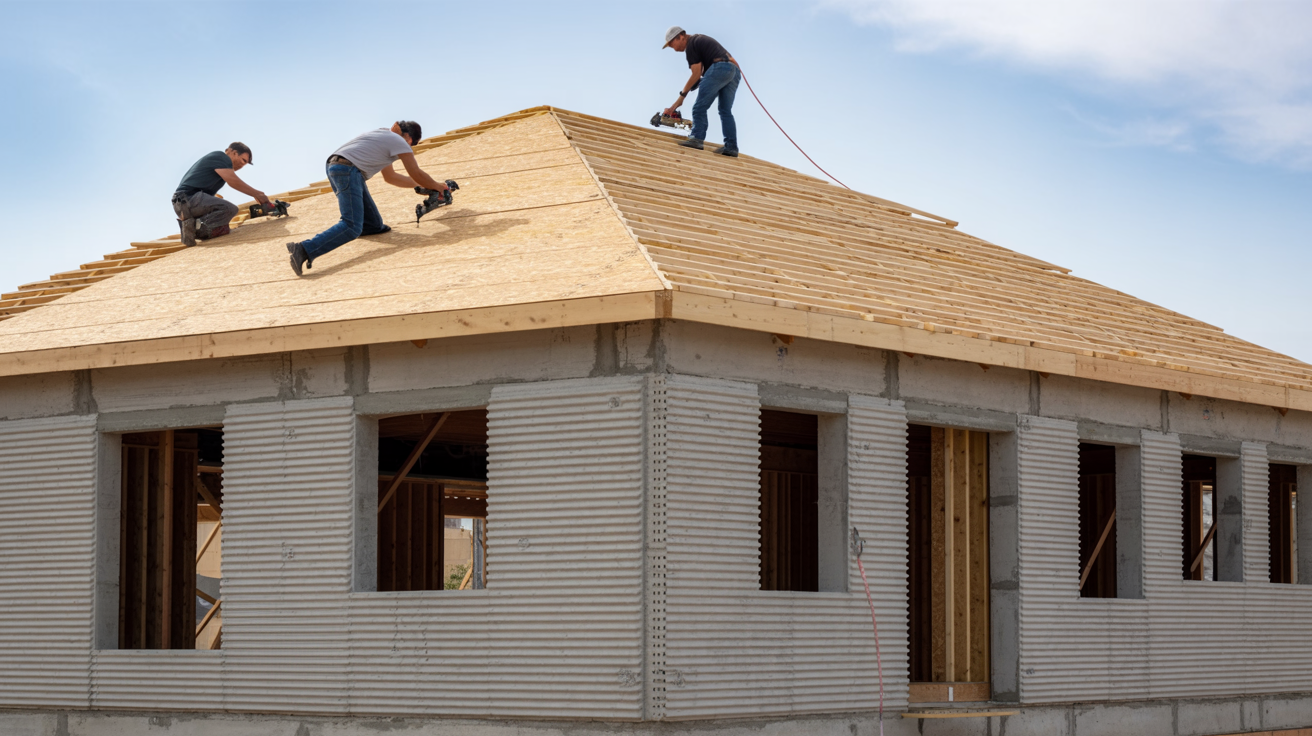
Here's the short version for roofing contractors: your work isn't going away. Current 3D printers build walls, not roofs, and that means when the shell is done, you're up next, same as always. The bigger change is the schedule. That call to mobilize is coming sooner than you're used to.
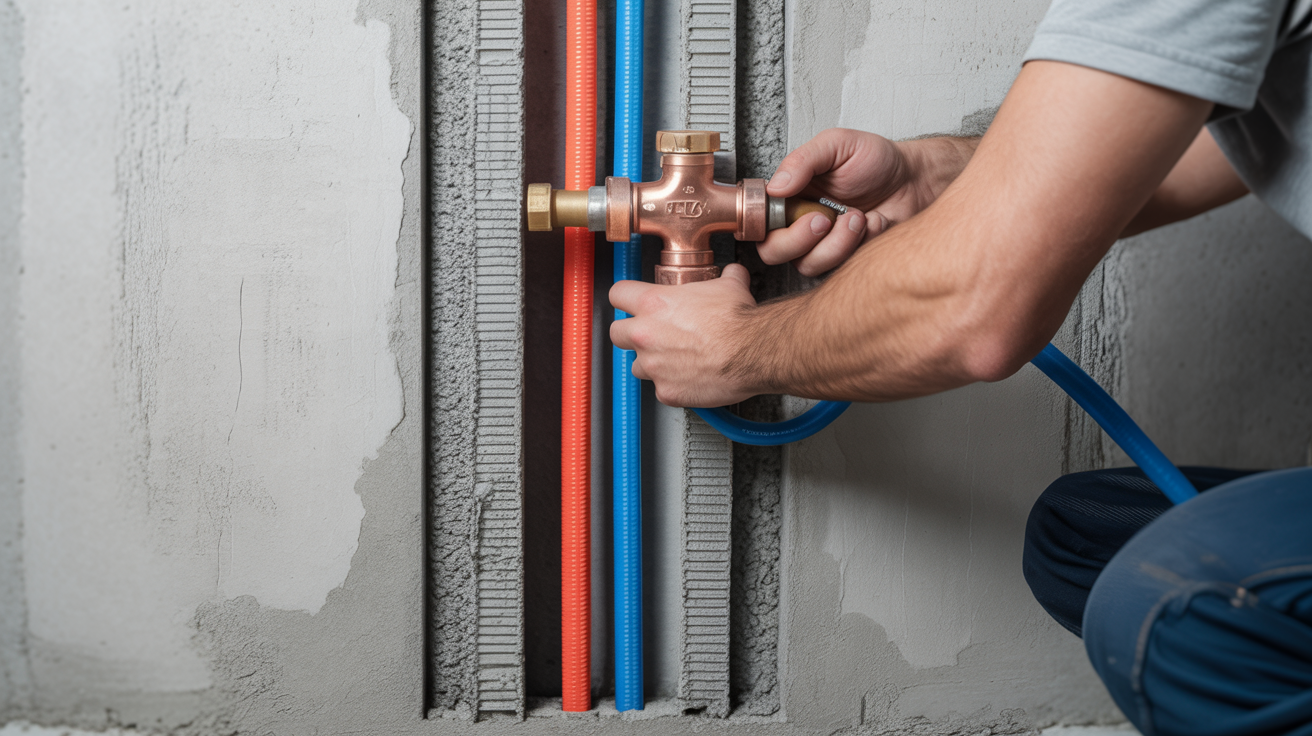
The idea of plumbing an entire house made of printed concrete sounds like a headache. It doesn't have to be. Pre-printed chases, coordinated sleeve placements, and smart underground sequencing make it workable, but only if you show up early and plan ahead. The plumbers who figure that out first will have a real edge.
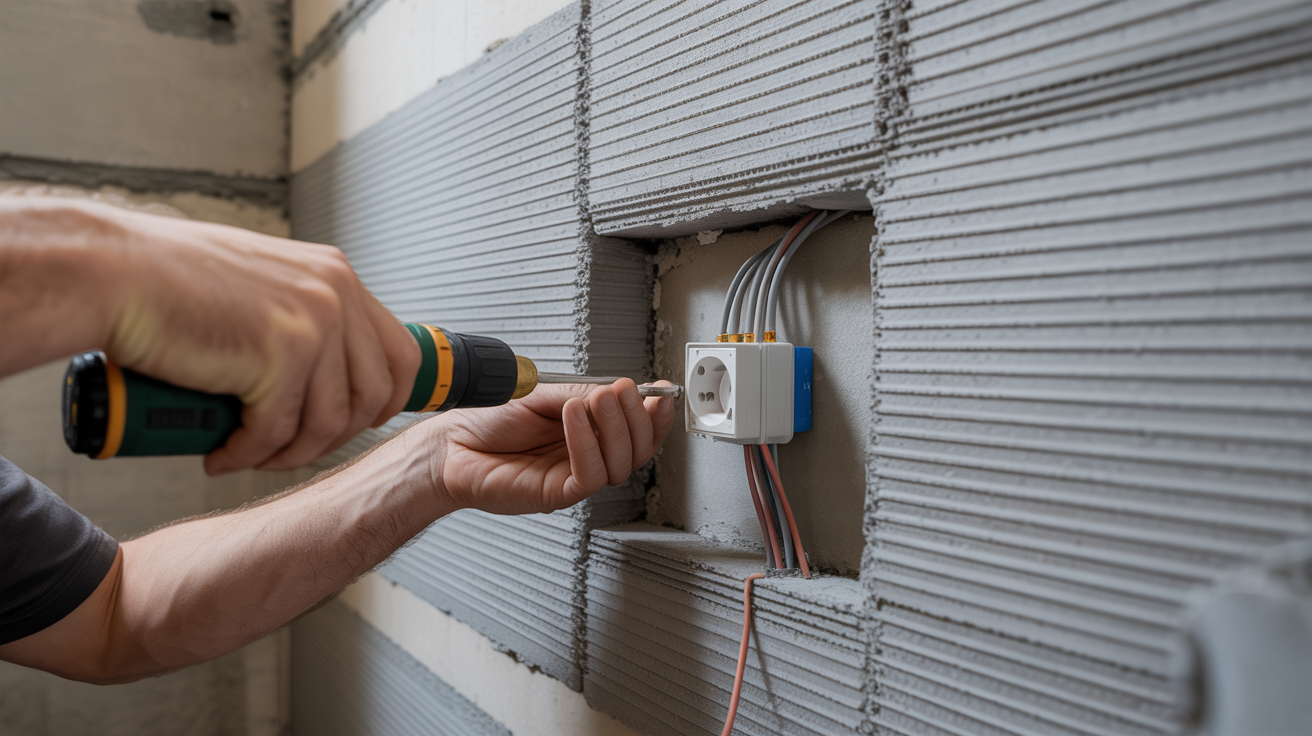
Electricians have adapted to steel studs, spray foam, and modular construction. 3D printed concrete is the next adjustment, and it's more manageable than it sounds. The cavity walls give you a working channel, the timeline rewards early coordination, and the business case for getting comfortable with this work is straightforward: faster projects mean more of them.
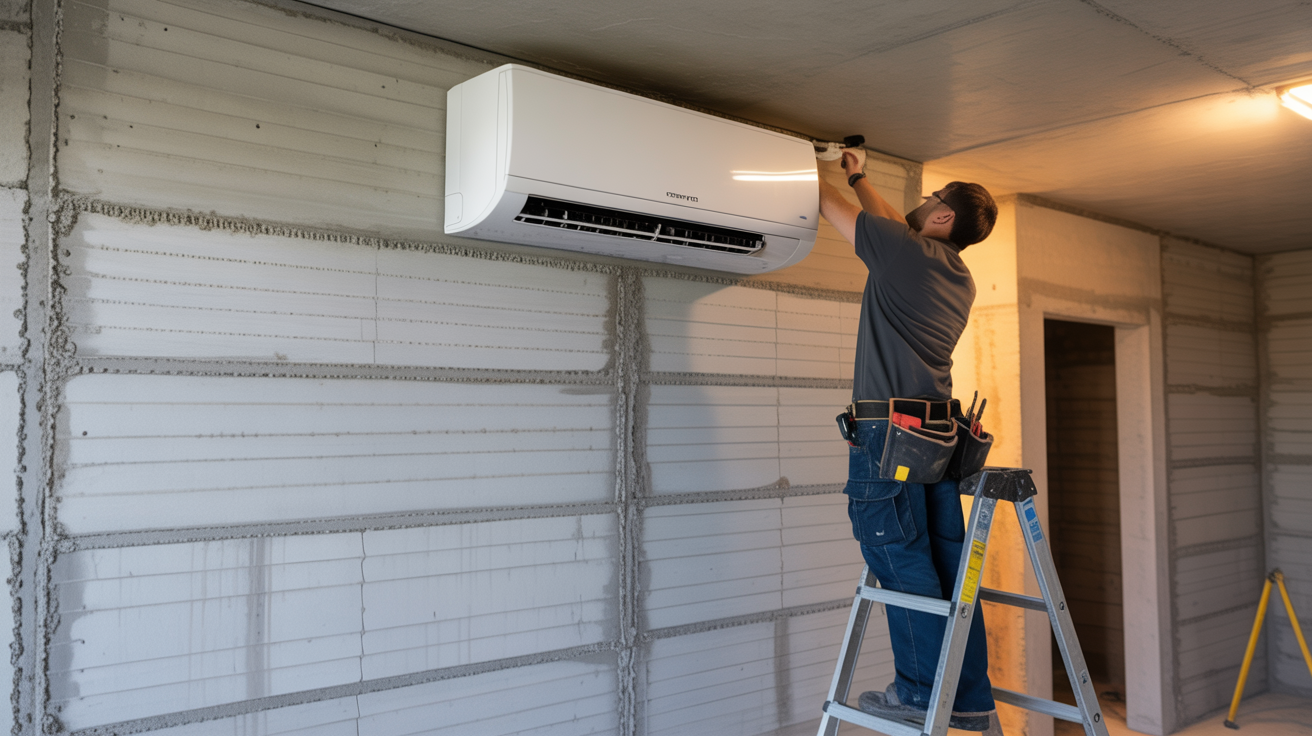
Concrete walls don't behave like wood-framed walls, and if you size an HVAC system like they do, you're going to have a problem. Thermal mass changes the load calculation, foam-filled cavities change the insulation game, and mini-splits are becoming the go-to solution for a reason. The mechanical contractors who understand this shell will deliver results that stand out.
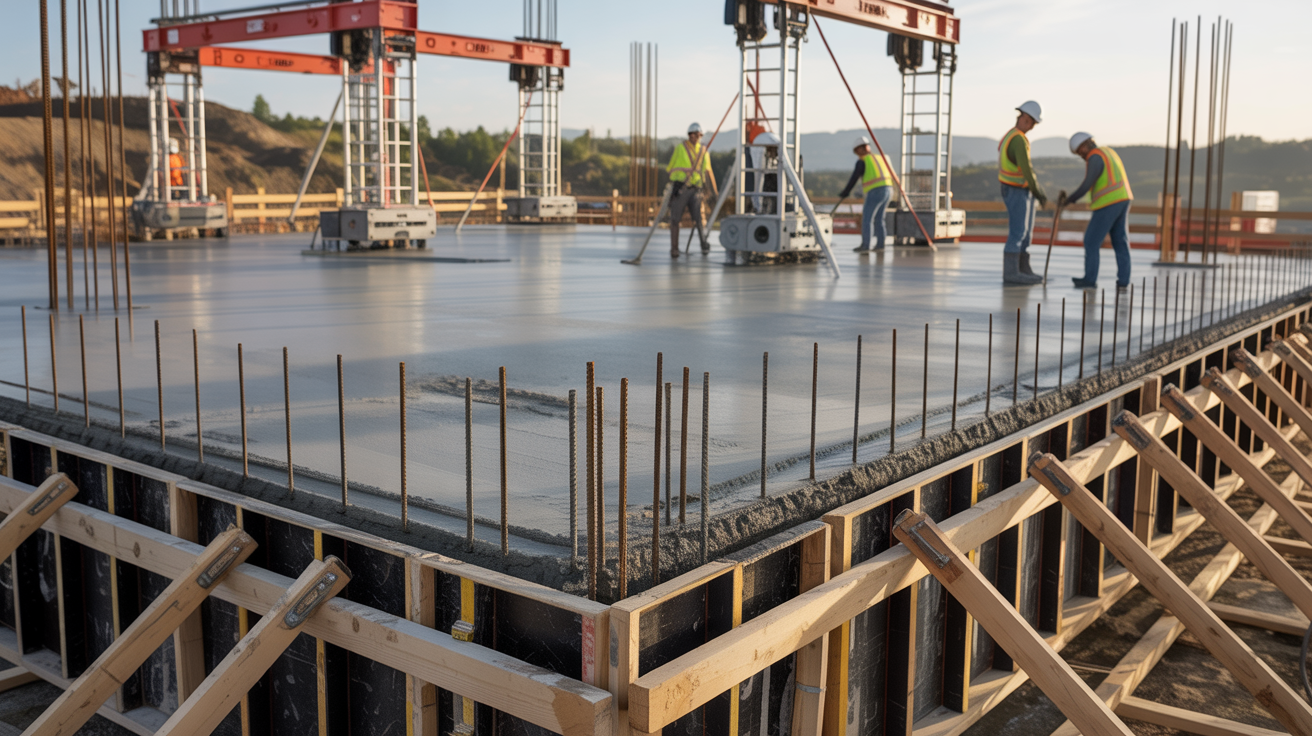
Everything that happens after the printer arrives depends on what happened before it got there. Tolerances are tighter, underground rough-in is non-negotiable, and rebar dowel placement has to match the CAD file exactly. Get the foundation phase right, and the rest of the project runs. Get it wrong, and you'll feel it in every layer the printer lays down.
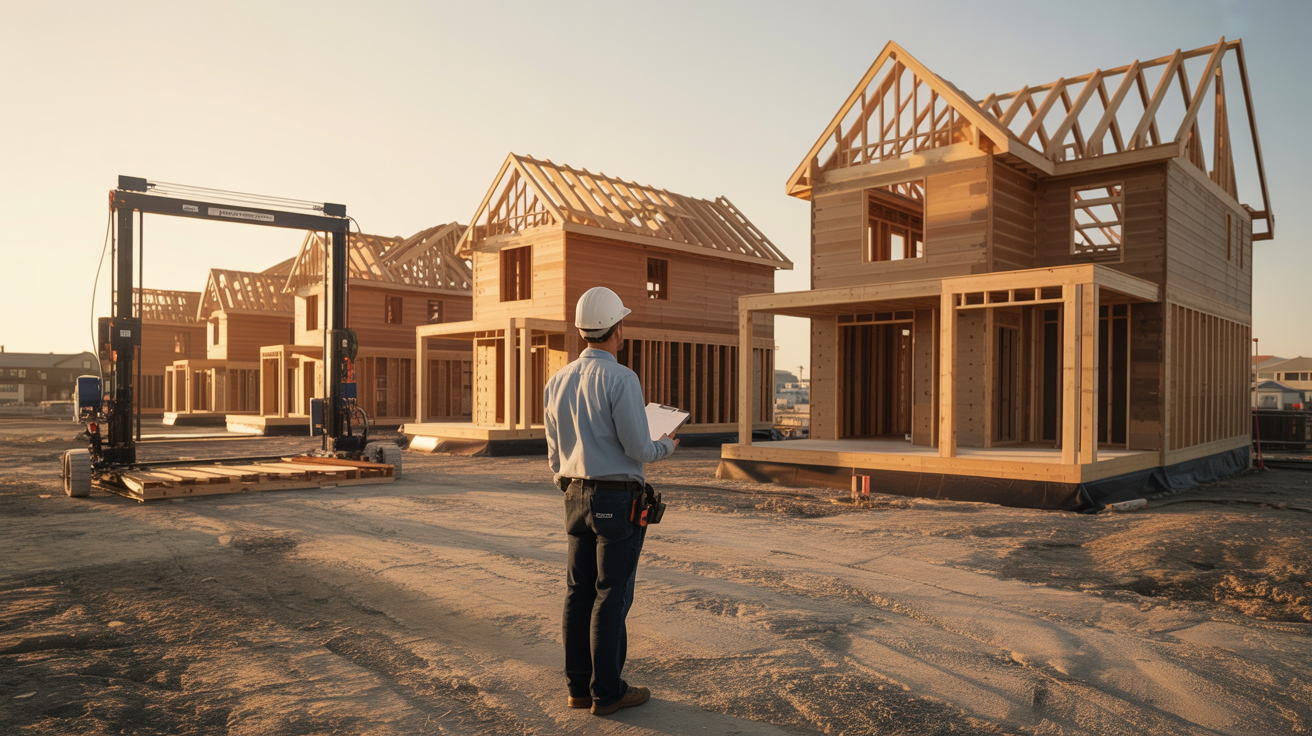
The structural shell of a 3D printed home can be complete in days, not weeks. For subcontractors, that's not just a curiosity — it's a scheduling opportunity. Faster phases mean less waiting, more parallel projects, and the real possibility of completing 25 to 35 percent more work per year with the same crew. The math is worth paying attention to.
A retirement living series for retirees and their families exploring how 3D printed homes can deliver lower costs, less maintenance, better accessibility, and more freedom — from downsizing and ADUs to aging-in-place design, community living, and practical first steps.
8 articles
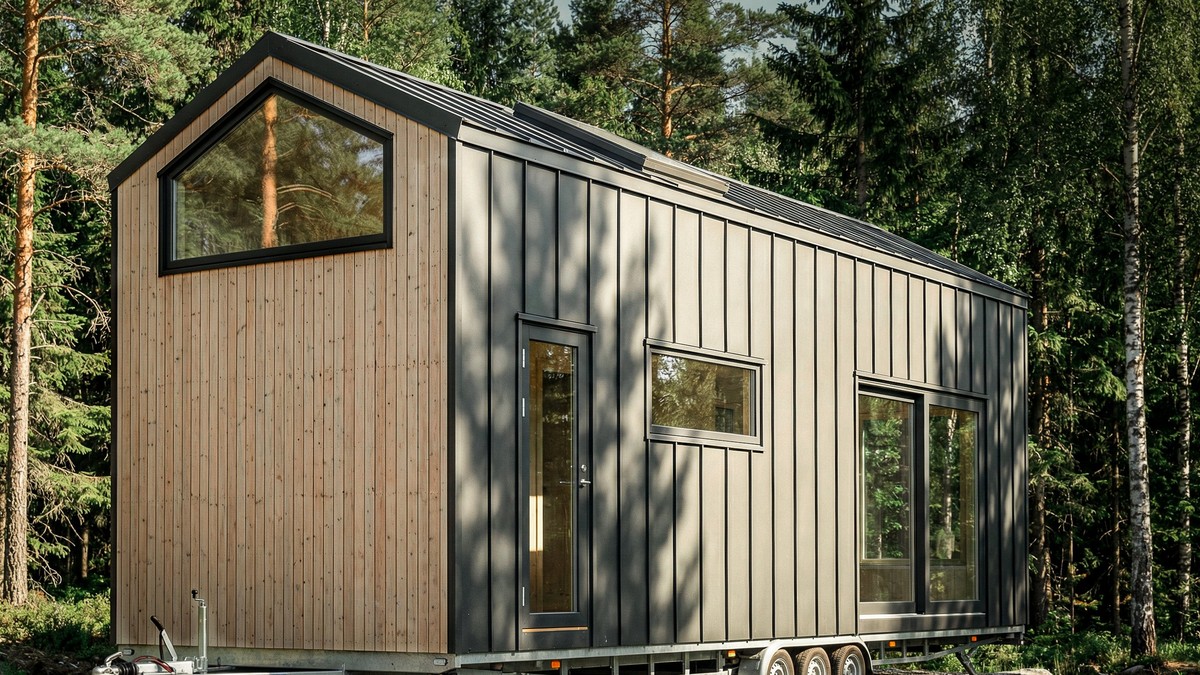
For millions of retirees, the family home has become more burden than blessing — too much space, too many stairs, and too many bills. 3D printed tiny homes and ADUs offer a smarter path forward: lower costs, less maintenance, and a home designed around the life you actually live now. This article makes the case for why smaller might be the best decision you ever make.
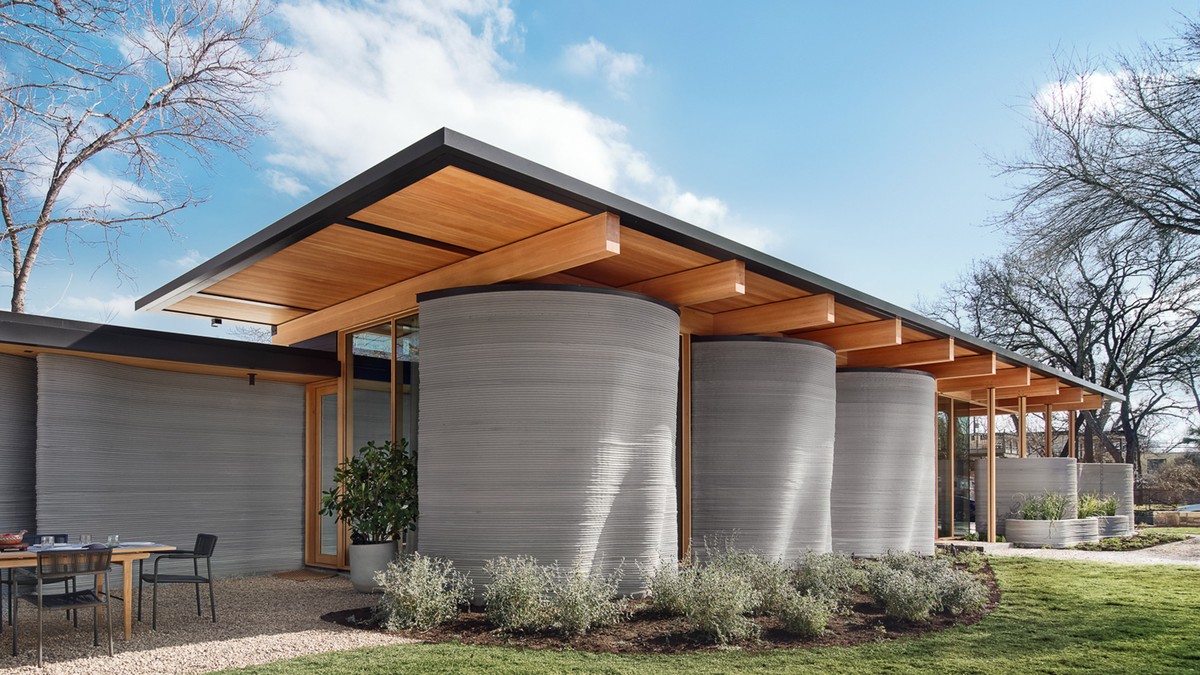
If the words "3D printed home" make you picture something flimsy or experimental, you're not alone — but the reality is more reassuring than the name suggests. These homes are built from concrete-based materials, meet standard building codes, and are already housing real families across the United States. Here's what you actually need to know before forming an opinion.
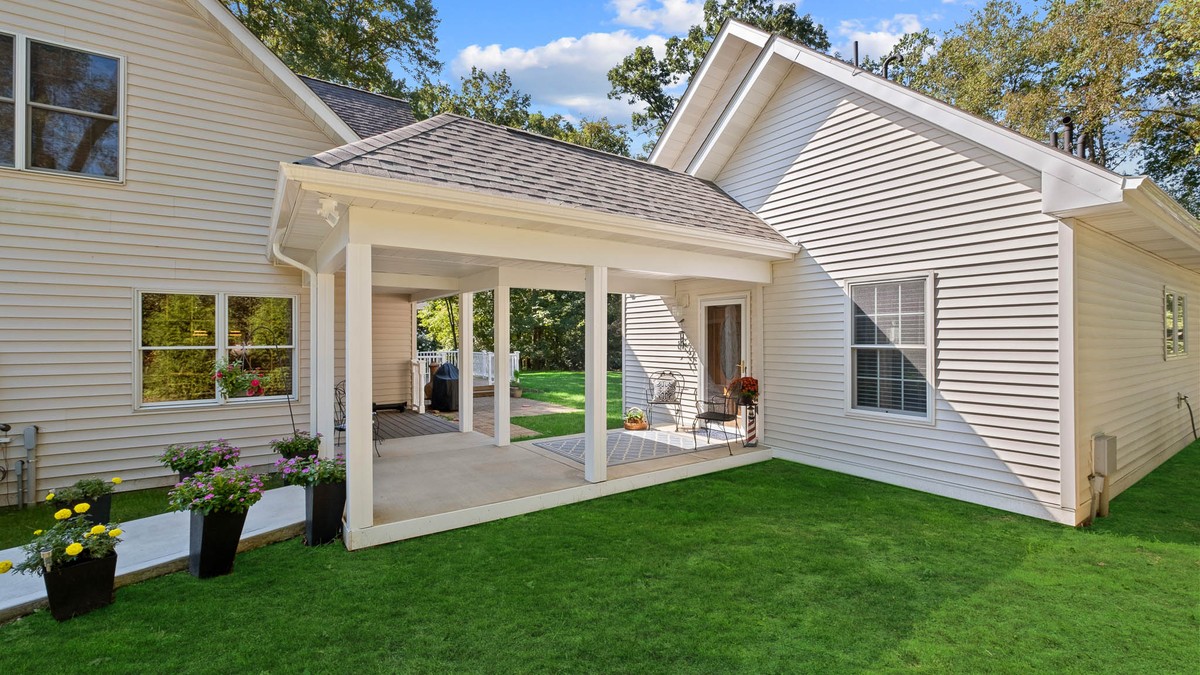
An accessory dwelling unit (ADU) on a family member's property offers one of the most practical solutions in retirement housing: independence and proximity at the same time. 3D printing makes ADUs faster and more affordable to build than ever before, and the demand is growing fast. Here's what families need to know before they start drawing up plans.

Most homes were not built with aging in mind, and retrofitting them for accessibility is expensive, disruptive, and often incomplete. 3D printed homes offer something different: the ability to design accessibility in from the very beginning, at no significant extra cost. This article covers what that looks like in practice and why it matters more than most people expect.

The cost of retirement housing is one of the most consequential financial decisions most people will ever make, and the numbers are often more surprising than expected. This article breaks down the real cost of a 3D printed tiny home or ADU compared to assisted living, traditional retirement communities, and staying in a large home — so you can make the comparison with clear eyes.

A new kind of retirement community is taking shape across the United States, one built not with traditional construction but with 3D printers, designed from the ground up for modern retirees who want connection, affordability, and a home that fits their life. Here's what these communities look like, where they exist, and why they're worth paying attention to.

One of the most common questions about 3D printed homes is whether they're available in the places retirees actually want to live. The answer is more encouraging than you might expect, particularly in the Sun Belt states that attract the most retirement migration. Here's a practical look at where printed homes are available, where they're coming, and what to check before you commit to a location.

Knowing you're interested in a 3D printed retirement home is one thing. Knowing what to actually do next is another. This article cuts through the noise and gives you a clear, practical starting point: who to contact, what questions to ask, and how to move from curiosity to a real plan without getting overwhelmed.
An investor series on 3D printed housing covering the market thesis, real build costs, how speed improves returns, build-to-rent at scale, the key risks, and practical ways to get in, from a first rental to a full portfolio.
2 articles
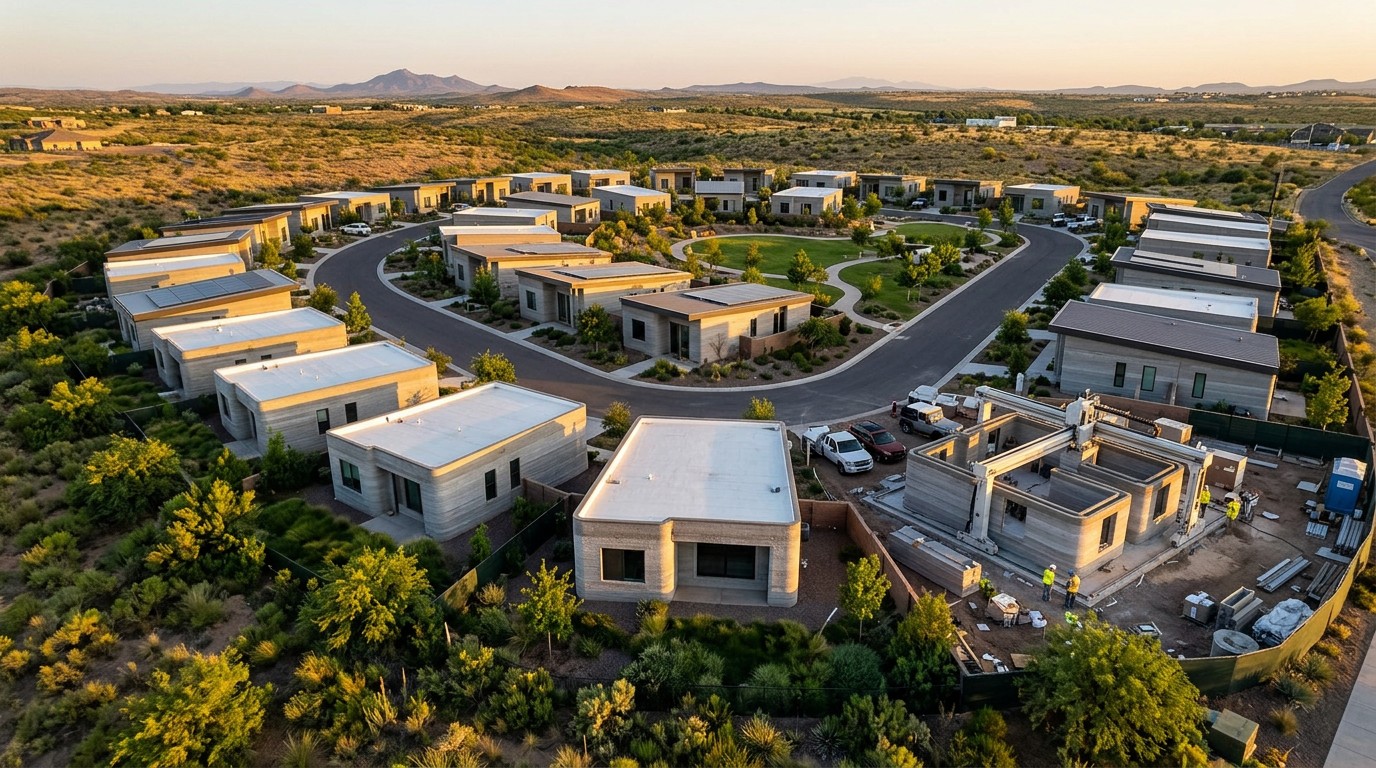
For investors, the case for printed homes is no longer about novelty. It comes down to speed, labor, and the chance to add housing where it is scarce and expensive to build. Here is the thesis in plain terms.
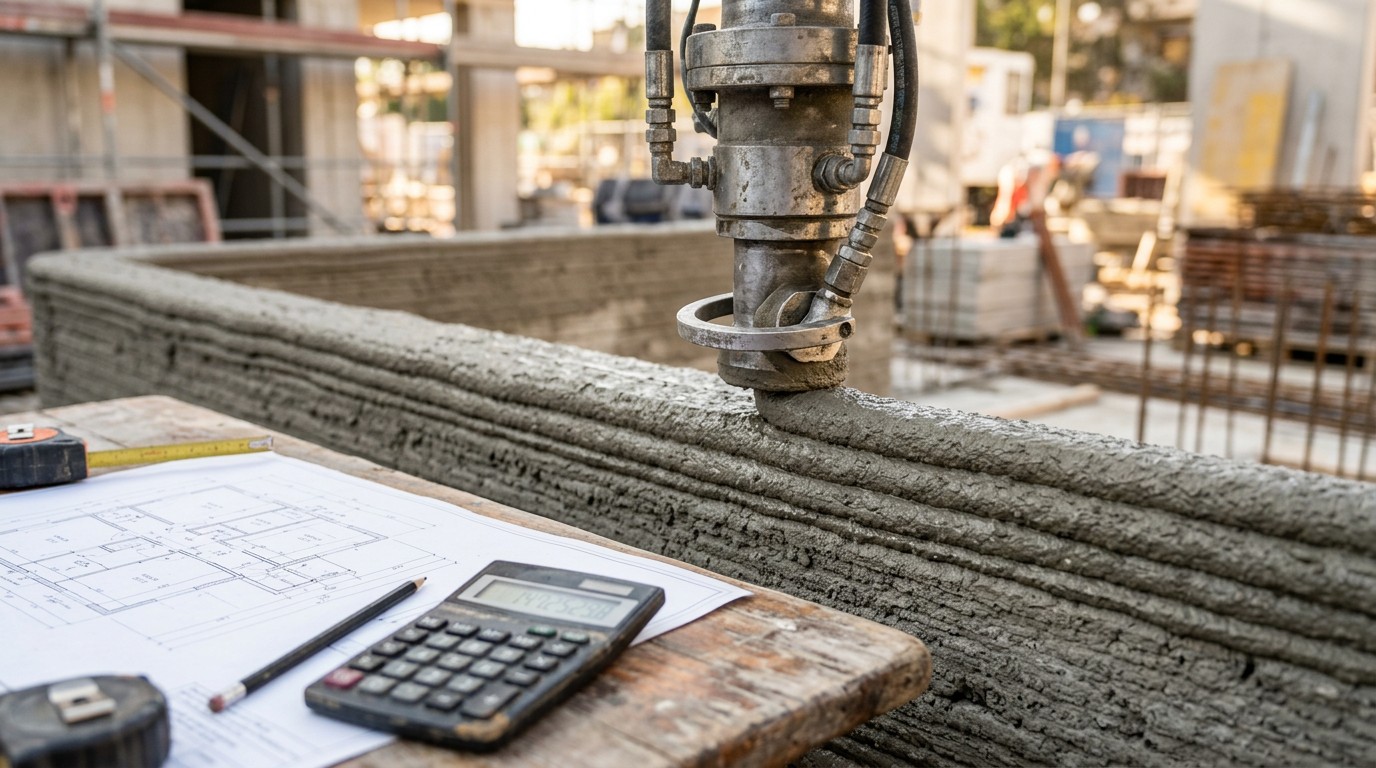
The savings claims for printed homes range from modest to dramatic, and the truth depends on what you measure. Here is where the money is actually saved, where it is not, and how to read a cost-per-square-foot figure without getting fooled.
Browse our verified directory of 3D-printing construction companies, or follow the latest news from the field.