Once buyers get comfortable with the idea of a home printed by a robot, insurance is usually the next question. It is a fair one. A homeowner's policy protects the largest purchase most people ever make, so it matters whether a printed home is easy to cover, expensive to cover, or somewhere in between.
The honest picture is a mix of good news and a few growing pains. Printed concrete homes have real advantages that insurers value, but the category is new enough that the paperwork side has not fully caught up.
Concrete Has a Head Start
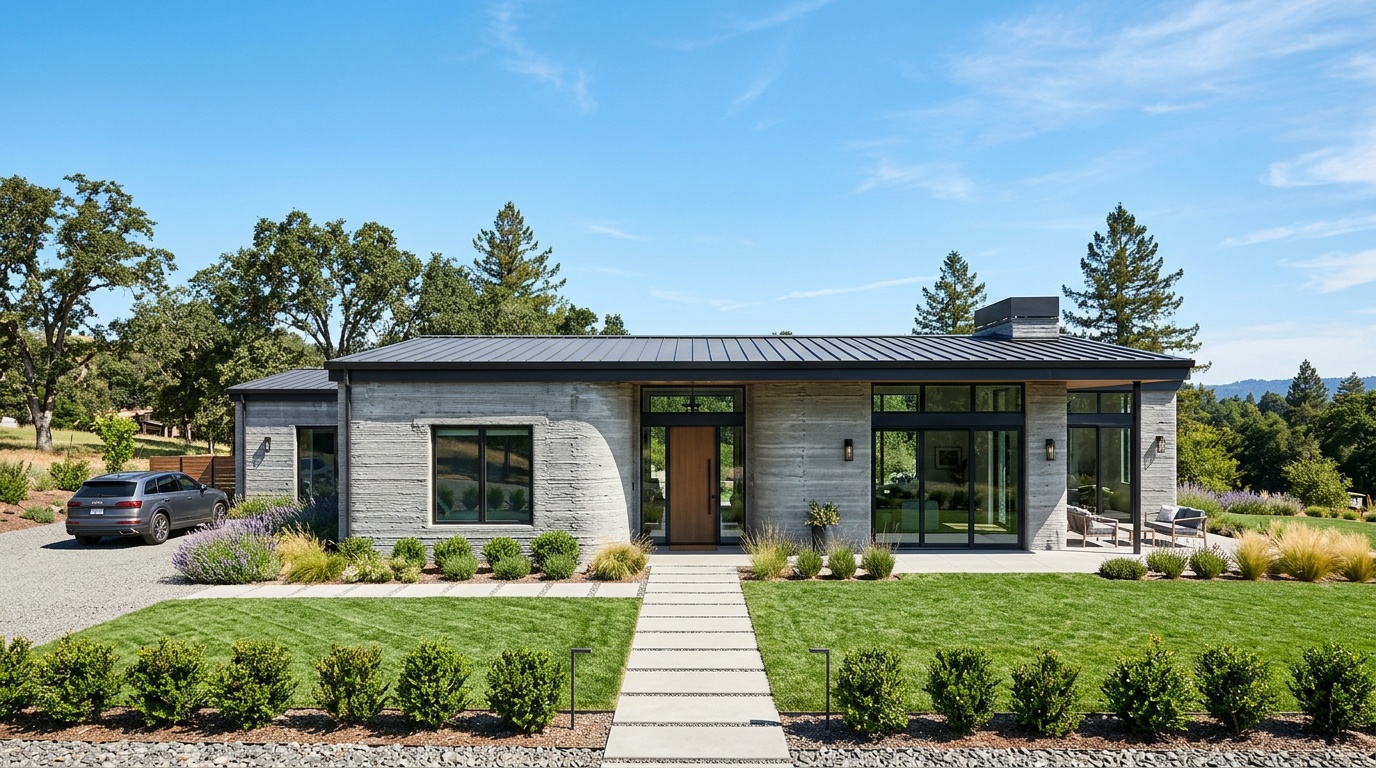
Start with what works in your favor. A 3D printed home is typically made from a concrete-based mix, and concrete brings qualities that insurers reward. It does not burn the way wood framing does, it stands up well to high winds, and it does not attract termites or rot. In regions where wildfire, hurricanes, or pests drive up premiums, a sturdy concrete structure is exactly the kind of risk an underwriter likes.
That resilience is one of the technology's selling points, and it can translate into favorable terms when an insurer understands what they are looking at. The key phrase there is "when they understand it," because that is where the newness comes in.
Why There Is No Standard Policy Yet
Insurance runs on history. Companies price a policy by leaning on decades of data about how a certain kind of home tends to fail, burn, flood, or hold up. Printed homes have not been around long enough to build that library of loss data, so there is no standardized, off-the-shelf product designed specifically for them.
Instead, coverage today tends to be assembled case by case. Some insurers slot printed homes into a policy form built for modular or manufactured housing, such as an HO7 policy, because it is the closest existing fit. Others write a more customized policy after taking a closer look at the build. Neither approach is a problem on its own, but it does mean you cannot always click a button online and get instant coverage the way you might for a standard suburban house.
The Questions Underwriters Ask
A few themes come up when an insurer evaluates a printed home. One is durability over the long term, since the multi-decade performance of printed concrete is still being studied. Another is reinforcement, because underwriters may want to understand how the structure is strengthened compared to conventional construction.
Liability is a subtler issue. A printed home often involves several parties working together, including the technology company, the software behind the print, and the contractor on site. If something structural ever went wrong, sorting out whether it counts as a construction defect or a product defect can get complicated, and insurers think about that when they write a policy.
There is also a wrinkle during construction itself. Builder's risk policies, which cover a home while it is being built, frequently exclude faulty workmanship. If a printed component failed, a policy might cover the resulting damage while excluding the cost of the component that caused it. This matters more to builders than to finished-home buyers, but it is part of the same evolving picture.
What Drives the Premium
For a completed home, the cost of coverage is shaped by many of the same factors as any other house. Location leads the list. A home in a flood zone or a hurricane-prone coastline will cost more to insure no matter how it was built. The home's value, the materials, and how well the project met or exceeded local building codes all feed into the number.
Homes built with certified materials and clear code compliance tend to earn better terms, because they lower the perceived risk. The concrete resilience helps here too, and in the right market it can offset some of the caution that comes with a newer building method.
How to Line Up Coverage Without Surprises
A bit of legwork makes this smooth. Work with an insurance broker who has handled non-traditional or concrete construction, since they know which carriers are comfortable with the technology and can reach specialty insurers when a standard one hesitates. Bringing an experienced broker in early is the single most useful step.
Gather documentation from your builder before you shop, including material specifications, structural engineering, and evidence of quality control and code compliance. Underwriters price risk more confidently when they can see exactly how the home was made. If you are having the home built, make sure the contracts spell out who is responsible for what among the builder and technology partners, so liability is clear from the start.
Finally, shop around and start early. Because coverage is still handled case by case, quotes can vary more than they would for a conventional home. Give yourself time before closing so a policy is ready when you need it.
The Bottom Line
Insuring a 3D printed home is very doable today, and the concrete construction that makes these homes tough is the same quality that insurers appreciate. The friction is not about risk so much as familiarity, since the industry is still writing the playbook for a young technology. Work with a broker who knows the space, keep your builder's documentation close, and start the process early. Do that, and protecting your printed home becomes one more manageable step rather than a roadblock.