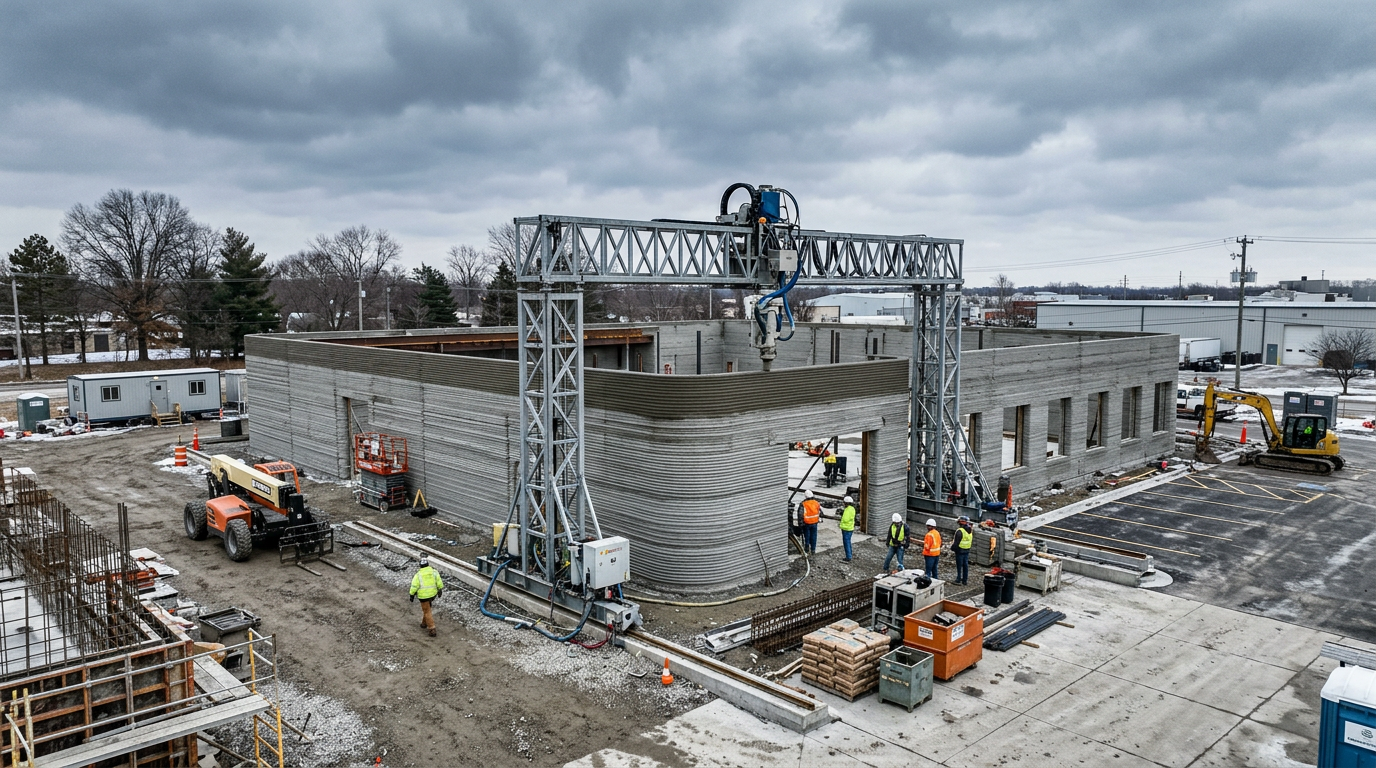
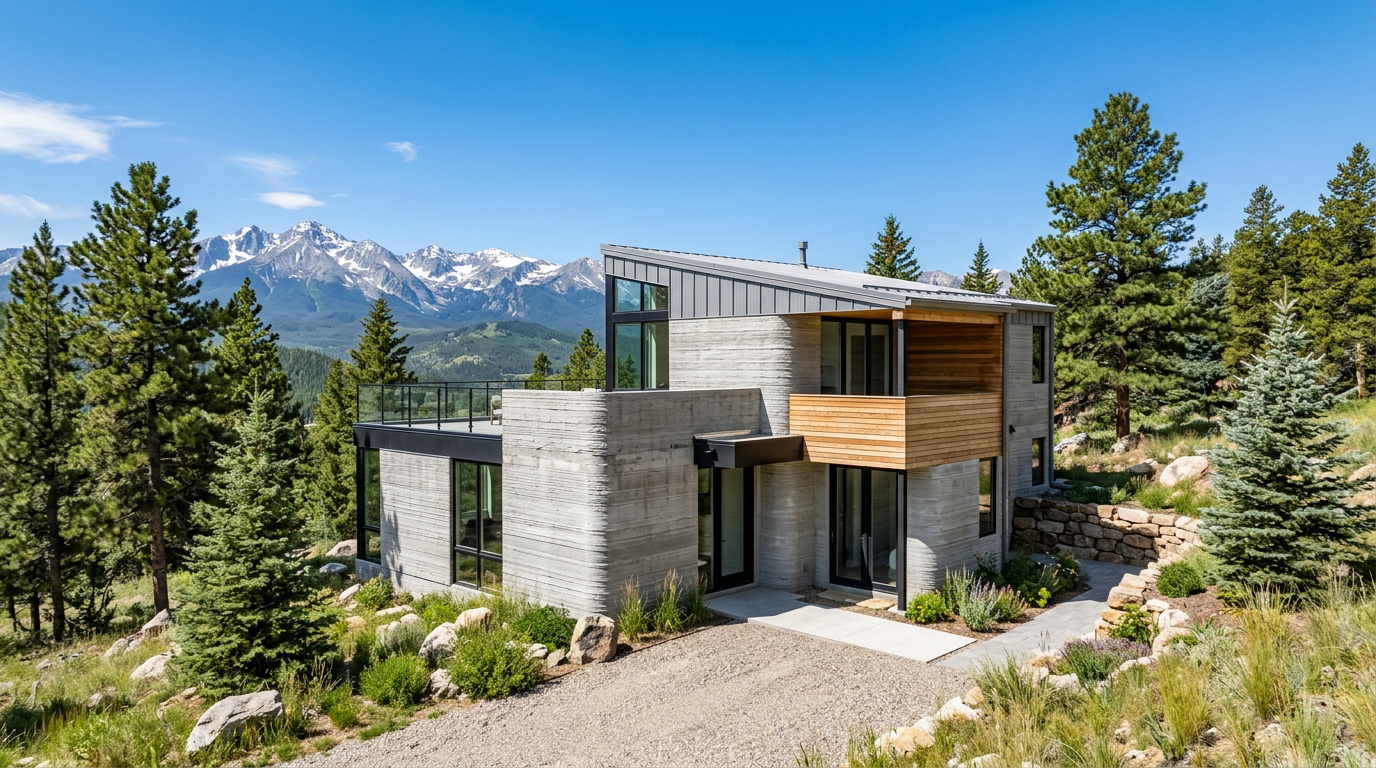
Printing a single-story home is one thing. Stacking a second floor of printed concrete on top is a much harder engineering problem, and it is the challenge VeroTouch is taking on in the Colorado Rockies.
The company is building 16 homes in Cleora, Colorado, using 3D printed concrete, and the project includes one of the first two-story printed structures in the United States. For a technology that has mostly stayed close to the ground, going vertical is a meaningful step.
Why two stories is hard
When you print walls layer by layer, the fresh concrete below has to support everything printed above it before it fully cures. Add a second story and the loads, the timing, and the structural detailing all get more demanding. Pulling it off in a mountain climate, where weather and elevation add their own complications, makes the achievement stand out.
Proven demand nearby
VeroTouch is not starting from zero on the sales side. Its earlier printed homes in nearby Buena Vista sold quickly at around $625,000, which tells you buyers in these mountain communities are ready to pay market prices for printed construction. That price point also reflects the reality of high-cost resort and mountain-town real estate, where printed methods are being tested against expensive conventional building.
What the project shows
The Cleora build is worth watching for two reasons. First, it pushes the technical envelope with multi-story printing. Second, it does so as a small, market-rate development rather than a subsidized pilot, which is a useful test of whether printed homes can compete on their own in a specific local market.
Why it matters
Most early printed communities have been single-story and built on flat, open land. VeroTouch is proving out printed housing in tougher terrain and taller forms. If two-story printing becomes routine, it opens the door to printed homes on smaller lots and in denser neighborhoods, where a single floor is not enough.